
Eating with the Season: What We Need in Autumn
Everything in Chinese medicine begins with the relationship between yin and yang, opposing but interdependent forces that continually respond to one another. With this perspective, we see that health is not a fixed state but an ongoing process of adaptation.
Seasonal eating is one expression of this adaptation.
For most of human history, eating with the seasons was not a wellness practice. What grew locally changed throughout the year, and diets changed accordingly. Chinese dietary therapy takes this observation further, considering not only what we eat, but how food is prepared and how our needs change in response to climate and our own individual needs.
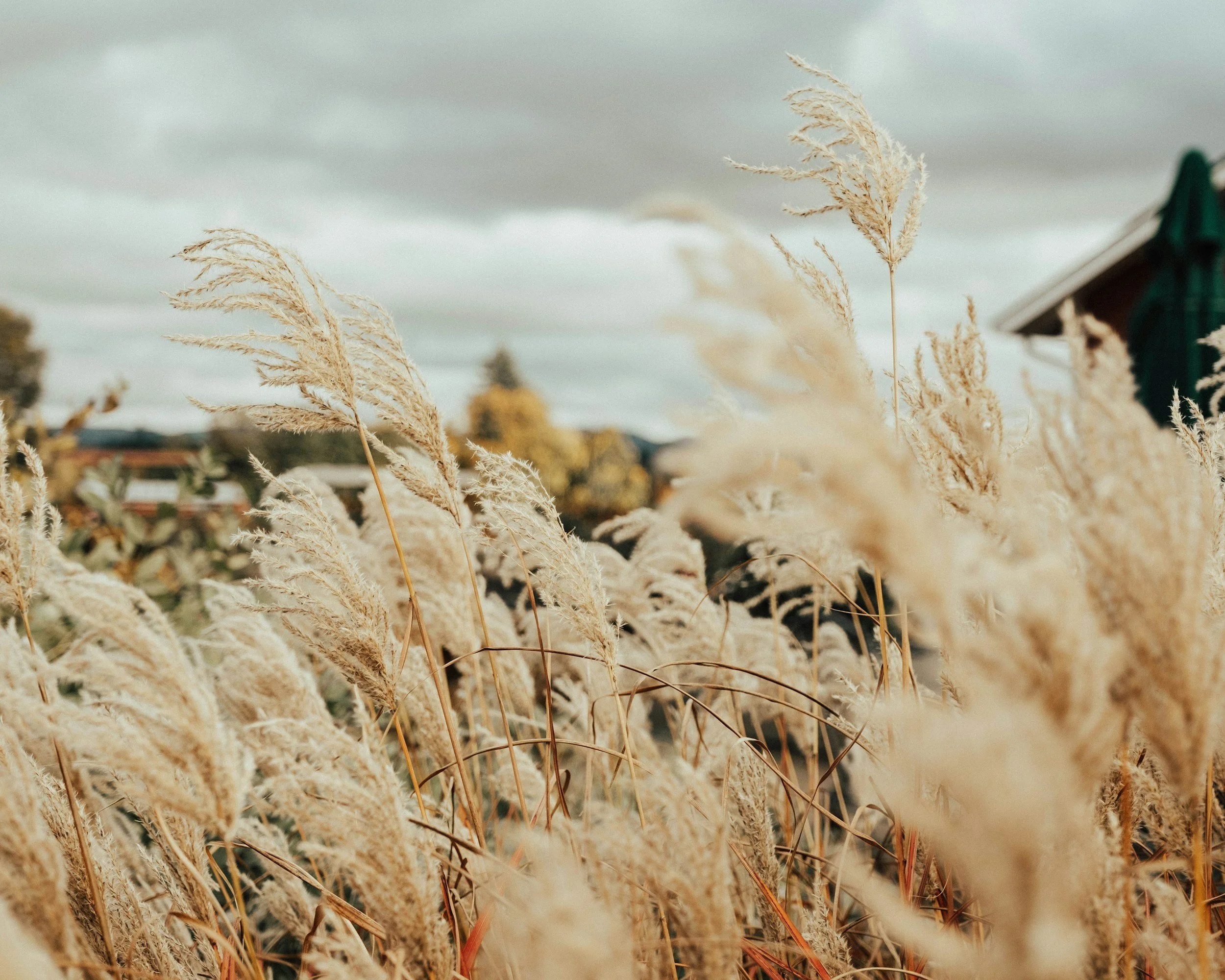
Autumn and the Movement Inward
In Five Phase theory, autumn corresponds to the Metal element and is associated with the Lung and Large Intestine.
After the expansion and activity of spring and summer, autumn turns inward. Temperatures fall, the air becomes drier, daylight shortens, and the natural world begins conserving its resources.
Traditional Chinese medicine recognizes the body as participating in these environmental changes rather than existing separately from them. As the weather becomes cooler and drier, dietary practices traditionally begin shifting away from the cooling, fresh foods of summer toward meals that are warmer, cooked, moistening and more substantial. The body is being prepared for the restoration of winter ahead.
Eating What the Season Provides
The autumn harvest illustrates this transition remarkably well.
Summer produces an abundance of watery fruits and vegetables. By autumn, the fields changes. Apples and pears ripen. Pumpkins and winter squash develop hard exteriors. Carrots, parsnips, turnips and other root vegetables are harvested from beneath the soil. Hardier greens such as broccoli and Brussels sprouts become more prominent.
These foods also lend themselves naturally to different methods of preparation: simmering, stewing, baking, sautéing and making soups or porridges.
In other words, the foods and the way we cook them begin to reflect the season itself—slower, warmer and more concentrated.
Dryness, the Lung and Large Intestine
In Chinese medicine, dryness is the climatic influence most closely associated with autumn - and the Lung is seen to be particularly susceptible to it.
For this reason, traditional autumn dietary therapy often emphasizes gently moistening foods. Pears are perhaps the best-known example and have a long history of use in Chinese food therapy. Apples, Asian pears, persimmons, sesame seeds, almonds, honey and mushrooms may also appear in the autumn kitchen.
Preparation matters here.
Supporting fluids does not necessarily mean consuming large quantities of water forward foods such as fruits or increasing water intake. Alternatively, we look to hydrating foods and how they are preparation. A poached pear, warm apple compote, vegetable soup or bowl of congee provides moisture while remaining in balance with cooler weather.
The Large Intestine is paired with the Lung in Five Phase theory, and dryness may also be considered when stools become dry or difficult to pass. From a traditional dietary perspective, this is another reason autumn meals often incorporate fluids through soups, stews and porridges rather than becoming progressively drier as the weather cools.
How We Cook Matters
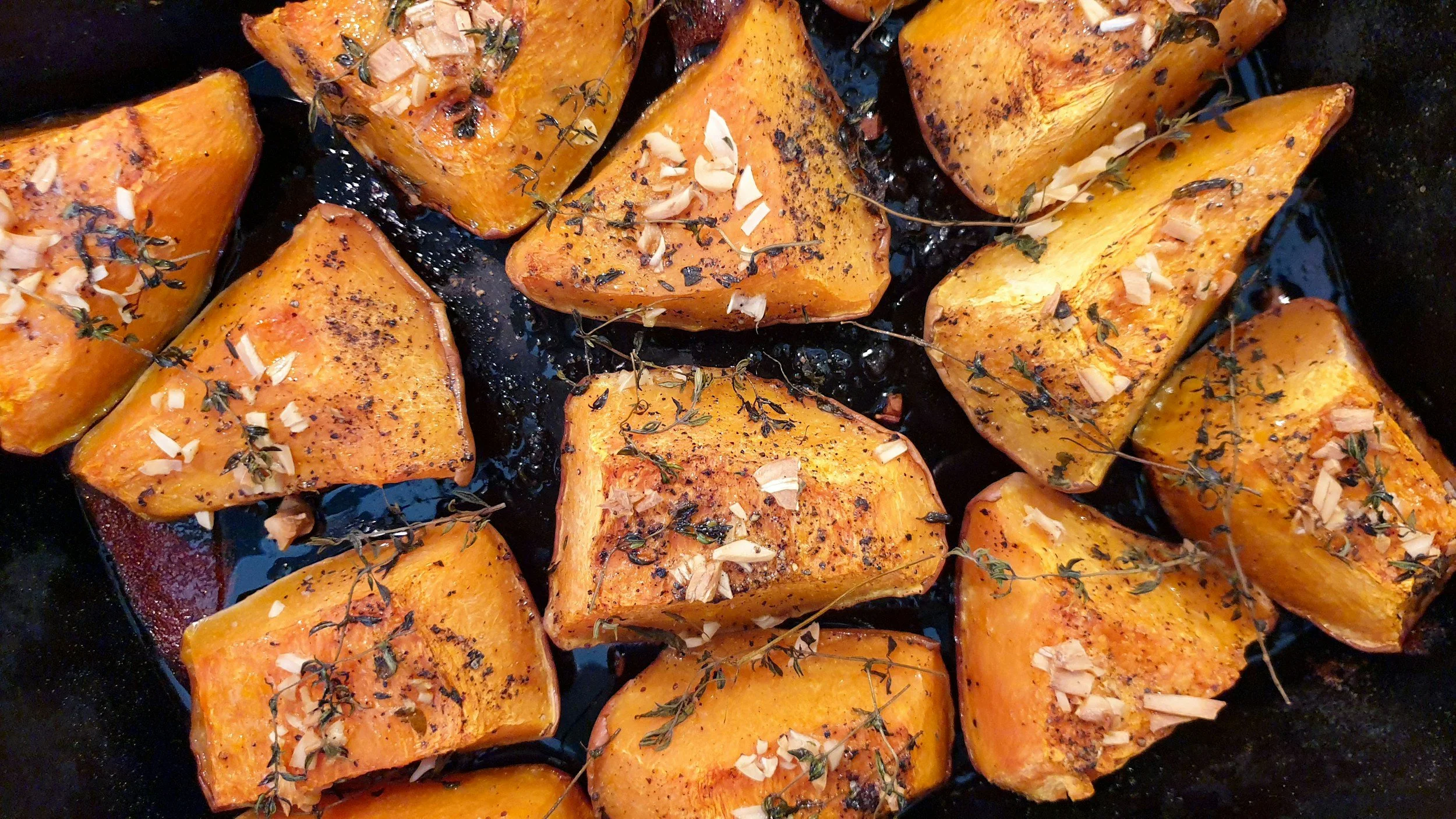
Seasonal eating is not only about changing ingredients. Cooking methods are therapeutic and balancing as well. As temperatures fall, greater emphasis is placed on cooked foods. Long simmering, stewing, sautéing, boiling and baking become more appropriate.
In Chinese medicine, we understand the Spleen and Stomach as central to digestion and subsequently the foundation of our health. How we eat either supports or hinders their function and thus the transformation of food into accessible nourishment. Warm, cooked foods are easier for the digestive system to process. This becomes particularly for people who tend toward bloating, loose stools, fatigue, or feel chronically cold.
Why Eat This Way?
The underlying principle is simple: our environment changes, so our lifestyle needs to change with it. Modern life makes it relatively easy to maintain the same temperature, schedule and diet throughout the year. Our physiology, however, continues to cycle with the course of nature.
Chinese medicine asks us to pay attention to those changes.
This is part of yangsheng, often translated as “nourishing life”: practices intended to cultivate health and longevity by living in closer relationship with our constitution, environment and stage of life.
Seasonal eating is one small expression of that larger philosophy.
Eating the Landscape
Perhaps the easiest way to begin is not by memorizing a list of therapeutic foods, but by paying attention.
The watery abundance of summer begins to disappear. Apples and pears ripen. Roots come out of the earth. Squash becomes abundant and stores well into colder months. The soup pot returns to the stove.
Meals naturally become warmer, slower and more substantial.
This is the deeper idea behind seasonal eating in Chinese medicine: not imposing a nutritional formula on the body, but developing the ability to observe and respond.
Notice the weather. Notice what is growing. Notice your digestion, energy and thirst. Then allow those observations to inform how you cook.
THe Nature of metal
Season: Autumn
Color: White, Gold, Silver
Organs: Lung + Large Intestine
Tissue: Skin
Emotions: Grief, Sorrow
Climate: Dryness
Direction: West
Planet: Venus
Odor: Rotton
Time of Day: 3am - 5am