
Acupuncture
Healing isn’t about fixing the part. it’s about integrating the whole.
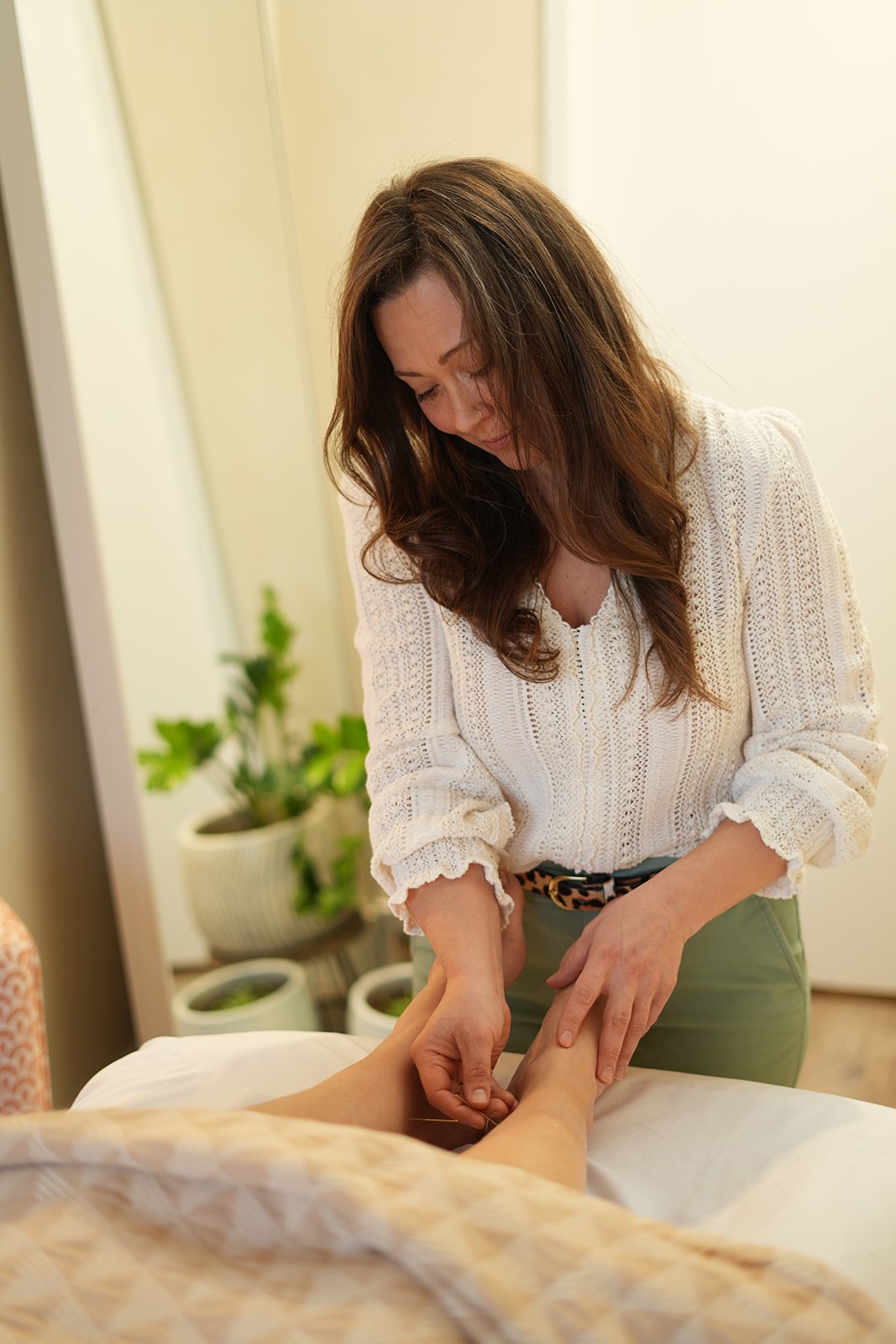
Acupuncture works with the body’s innate healing and self-regulatory capacity. To practice acupuncture is to ally with the patient in their own healing process.
Over the past decade, I have worked with a wide range of conditions, particularly women’s health, anxiety and depression, insomnia, injury rehabilitation, and chronic pain. At the same time, I have intentionally shaped my practice to be deeply rooted in well-being—supporting patients not only in acute and chronic conditions, but ultimately in the ongoing care of their overall health. Many continue proactive care long after their initial concerns have resolved, reflecting the heart of Chinese medicine: the conscious cultivation of healthspan throughout life.
Treatments may include
-
Acupuncture
Acupuncture employs fine, single-use, sterile needles to influence the flow of qi (energy) and blood to regulate the body's innate systems.
-
Dry Needling
Also known is trigger point therapy, dry needling releases tension and spasm in tight muscles to relieve pain and improve muscle function.
-
Fire Cupping
Fire cupping uses suctioned glass cups over the skin to promote circulation and detoxification through negative pressure. It helps to release muscle tension and facial adhesions - and reduce pain.
-
Moxibustion
Moxibustion is a heat therapy used in Chinese Medicine to warm, strengthen, and restore flow. The dried herb mugwort creates an infrared heat when burned that is healing, pain relieving, and anti-inflammatory.
WHAT IS ACUPUNCTURE?
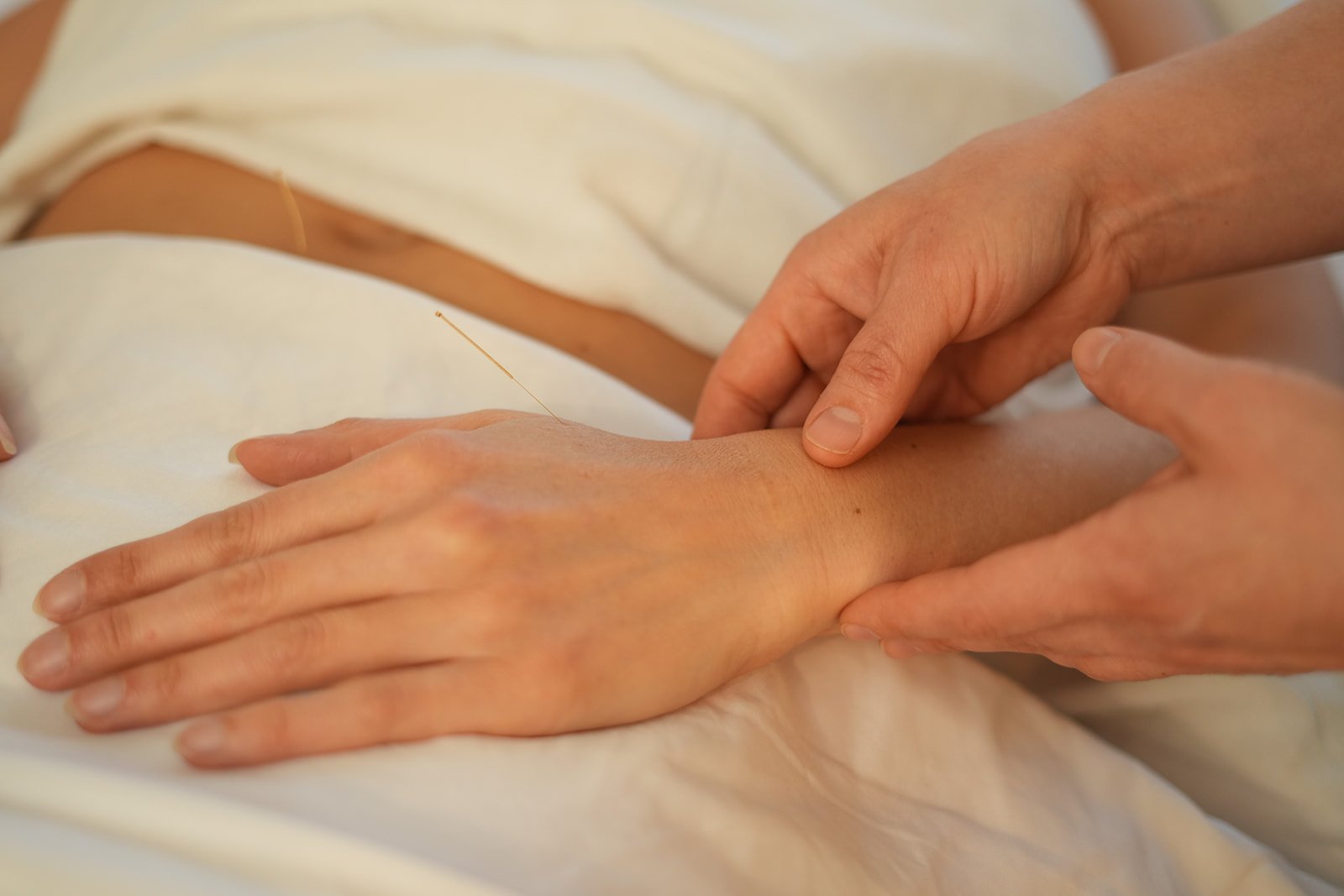
Acupuncture originates in East Asia and has been utilized for centuries in the treatment of countless conditions to restore the body’s own auto-regulatory and self-healing capacity. Treatment is based on a system of meridians which map the entire body. The acupuncture points on these channels are highly concentrated sites of microcirculation, lymph, and fascia which communicate with the brain, facilitate hormone regulation, stimulate the immune system, and relax the nervous system. A single needle echoes throughout the body.
Let’s get philosophical
My practice is guided by foundational philosophies that shape how I understand and work with the body. Drawing from the Earth School, the YangSheng tradition, and the alchemical framework of the Five Elements, each offers a distinct lens on balance, health, and transformation. Together, they inform an approach that is both grounded and integrative, supporting the body’s natural capacity to regulate and restore.
The Earth School
The Earth School is a tradition within Chinese Medicine that places digestion at the center of health. It understands the Spleen and Stomach as the body’s foundation—responsible for transforming food into energy, blood, and the substances that nourish every system. When digestion is compromised, it becomes not only a source of disease, but also a root from which imbalance can spread throughout the body. Conversely, when supported, it becomes a powerful pathway for healing and restoration. In this way, treatment returns again and again to the steady work of strengthening and harmonizing the body’s digestive core.
Yangsheng tradition
Also called the Nourishing Life Tradition, Yangsheng is foundational in classical Chinese Medicine. This refers to a set of lifestyle practices and attitudes meant to cultivate longevity, health, emotional balance, and spiritual clarity. It broadly encompasses diet and sleep, breathwork, seasonal living, movement, and emotional hygiene. It is a lifelong practice of attunement to natural cycles, inner balance, and self-cultivation.
Alchemy + the 5 elements
Alchemy, within the context of Chinese Medicine and the Five Elements, is the process of transformation at the deepest level. Just as lead is transmuted into gold, it suggests that our challenges are not simply problems to be fixed, but material for profound change. Through the lens of the Five Elements, each phase of life—including difficulty, grief, and depression—holds the potential for movement and renewal. What we encounter in ourselves becomes part of the process, rather than something separate from it. In this way, healing is not only restorative, but transformative—where even the darkest moments can become fertile ground for growth.