
Craniosacral Therapy
Accessing the body's innate capacity for healing.
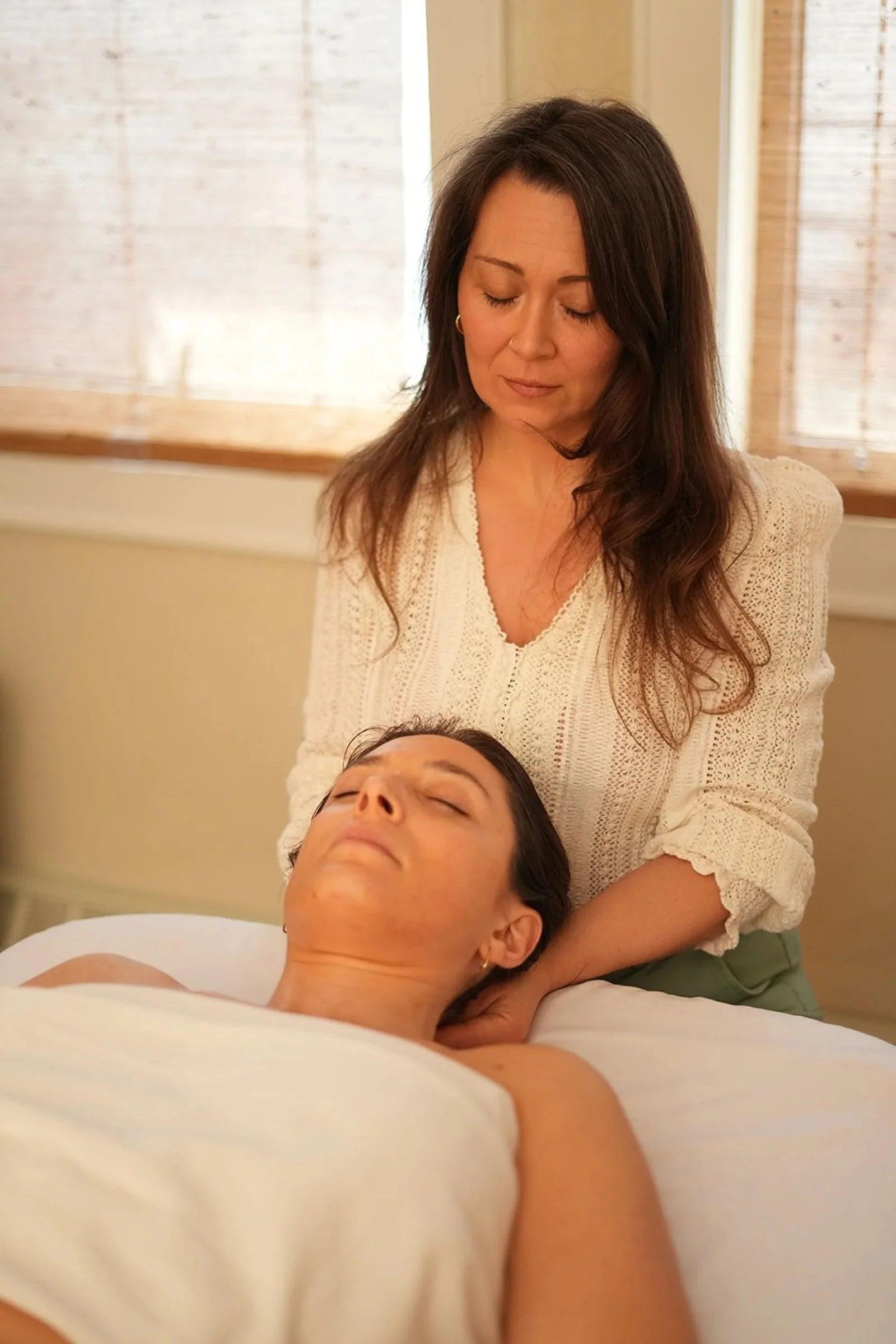
Craniosacral Therapy (CST) is a light-touch osteopathic technique that works with the membranes and cerebrospinal fluid that surround and protect the brain and spinal cord.
Pioneered by osteopathic physician Dr. John E. Upledger, this subtle form of bodywork evaluates and addresses restrictions within the connective tissues that inhibit the craniosacral system. It recognizes the body's inherent capacity for self-correction and the importance of creating conditions that support its natural healing processes.
Throughout life, the body continually adapts to physical, emotional, and environmental stressors. Injury, illness, prolonged stress, and accumulated tension can influence the way tissues move and respond. Over time, these adaptations may create patterns of restriction and discomfort.
CST works with these patterns through gentle, attentive contact, inviting greater freedom of movement within the tissues and supporting the body's ability to return to a more balanced state.
How Craniosacral Works
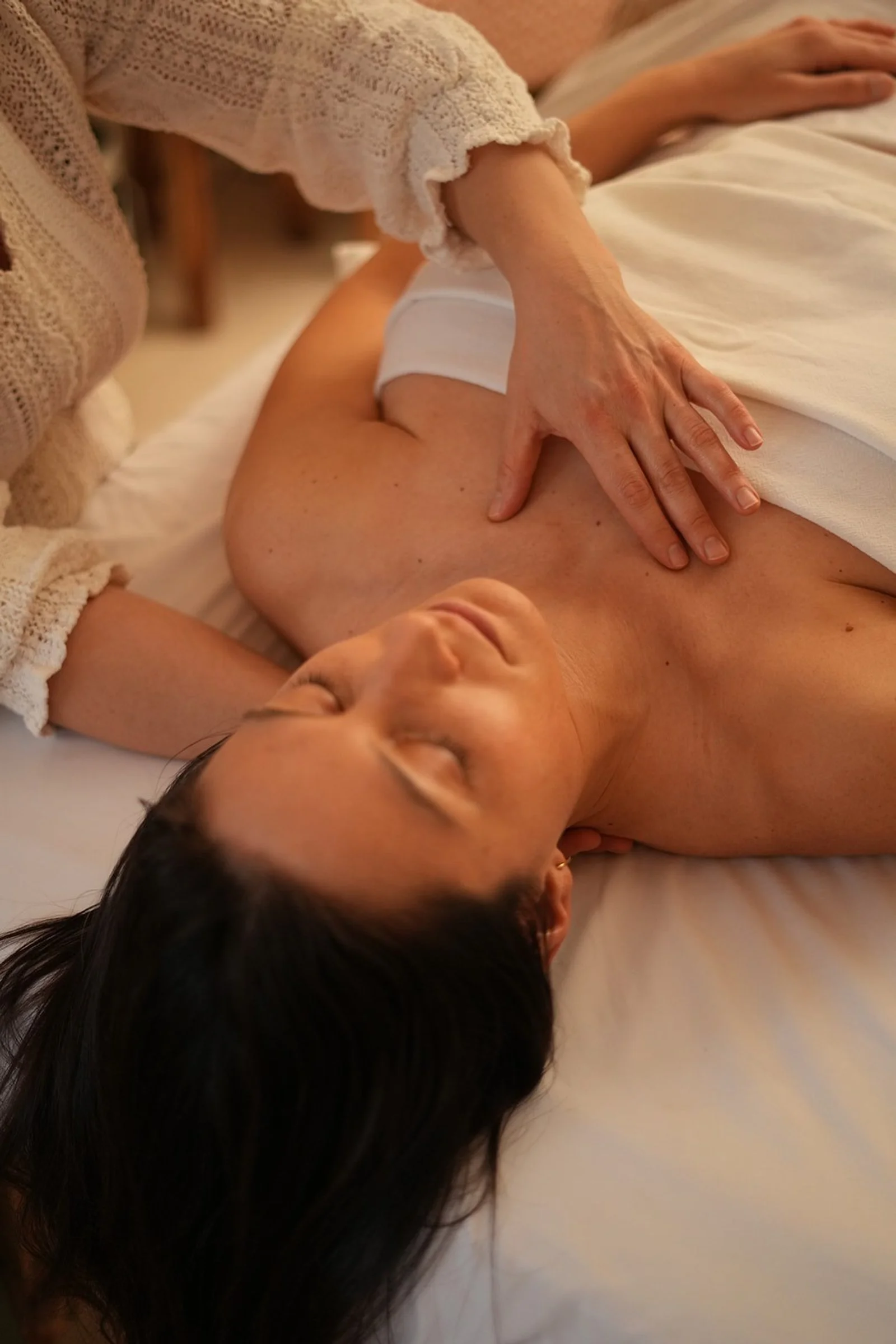
The craniosacral system spans the cranium to the sacrum and is intimately associated with the central nervous system. Its membranes, surrounding connective tissues, and cerebrospinal fluid form the environment in which the brain and spinal cord function.
Using a touch generally no greater than the weight of a nickel, the practitioner evaluates subtle tissue movements and areas of restriction throughout the body. Gentle manual techniques are then used to encourage mobility and ease within the tissues.
Although treatment focuses on the craniosacral system, its approach extends throughout the body. The fascia, a form of connective tissue, creates a continuous network linking the body's structures. Tension within this network may influence areas beyond its immediate location, making the assessment and treatment of fascial restrictions an important part of Craniosacral Therapy.
The Relationship Between Body & Emotion:
Somato Emotional Release
Research continues to reveal the deeper and deeper connections between physical and emotional experiences. Stress can influence breathing, posture, muscular tension, and the way we respond to our surroundings. Similarly, persistent physical discomfort can affect our emotional well-being.
SomatoEmotional Release is an extension of the Upledger approach to CST that engages this relationship. It incorporates gentle bodywork and, when appropriate, therapeutic dialogue to explore the physical and emotional dimensions of an individual's discomfort.
Not every treatment involves emotional processing. The work is guided by the individual's needs and responses, with an emphasis on allowing the process to unfold without force or expectation.
What to Expect
A craniosacral session takes place fully clothed, resting comfortably on a treatment table.
Treatment involves gentle hand placements along the head, spine, sacrum, and other areas of the body as indicated. Unlike massage or more forceful manual therapies, the work is subtle and does not involve deep pressure or manipulation.